“Strange Fruit” depicts one of the most horrible things imaginable. It felt like Byrd was offering a ray of hope by inviting the audience to process it together, in this somewhat comforting way. ”
"A joyous ode to dance, a celebration of both Spectrum's four decades in Seattle, and the future that lies ahead."
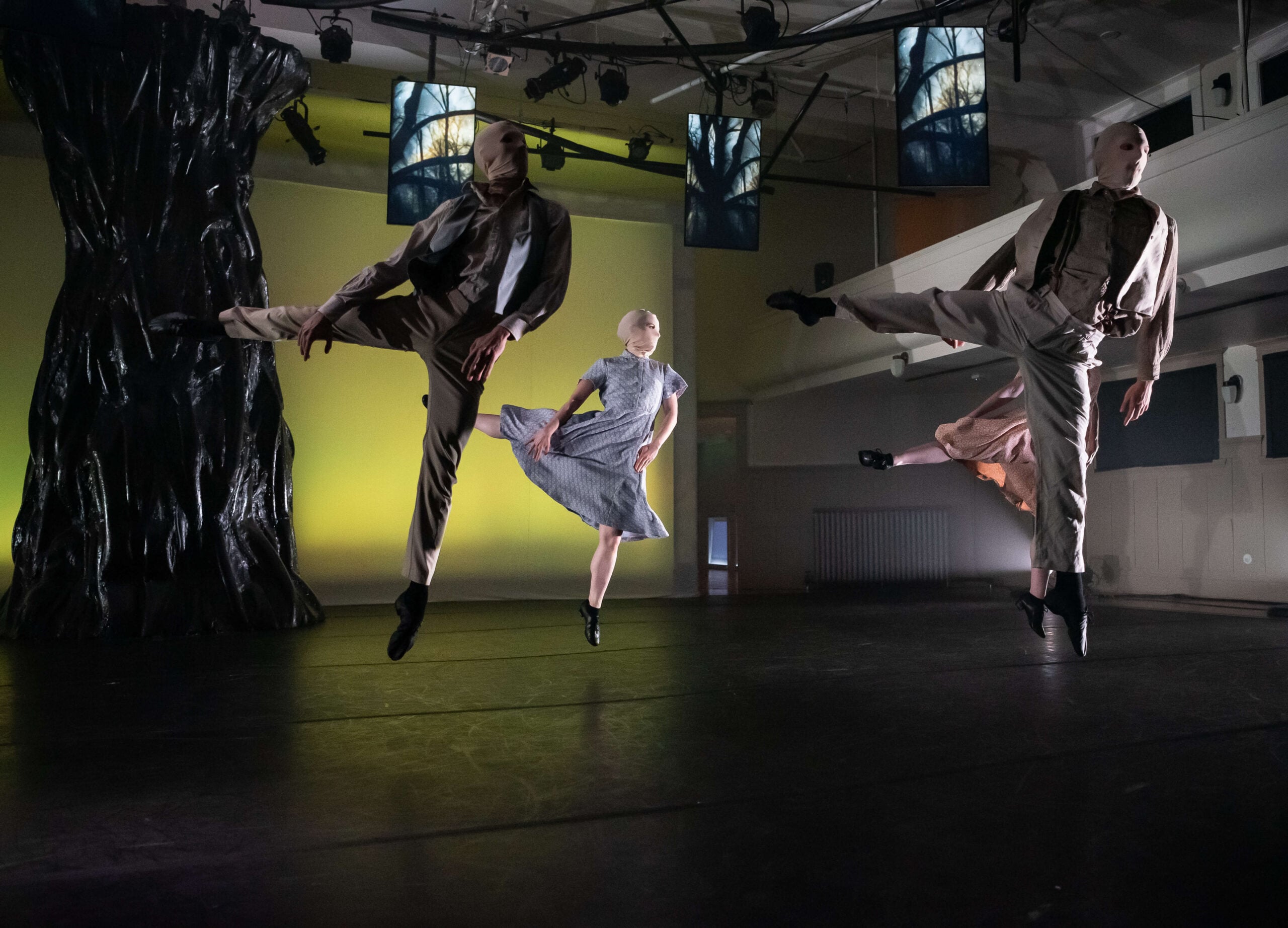
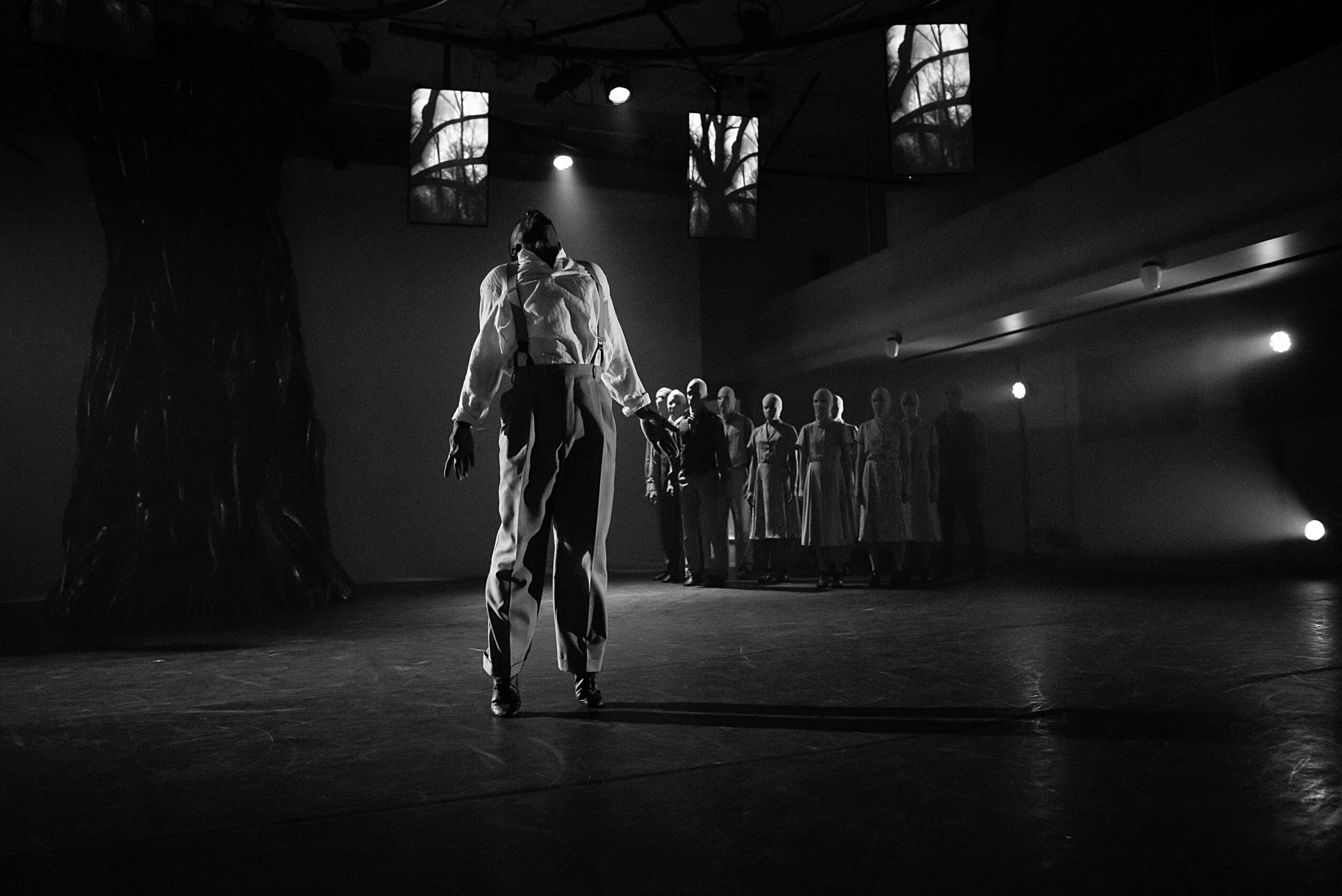
The 1937 poem and song of the same name by Abel Meeropol, made famous by the great jazz singer Billie Holiday, provide the narrative structure of choreographer Donald Byrd’s latest production. Strange Fruit tracks Byrd’s feelings as a response to lynching and plays out as a series of dance/theater vignettes.
“Strange Fruit” depicts one of the most horrible things imaginable. It felt like Byrd was offering a ray of hope by inviting the audience to process it together, in this somewhat comforting way. ”
"A joyous ode to dance, a celebration of both Spectrum's four decades in Seattle, and the future that lies ahead."
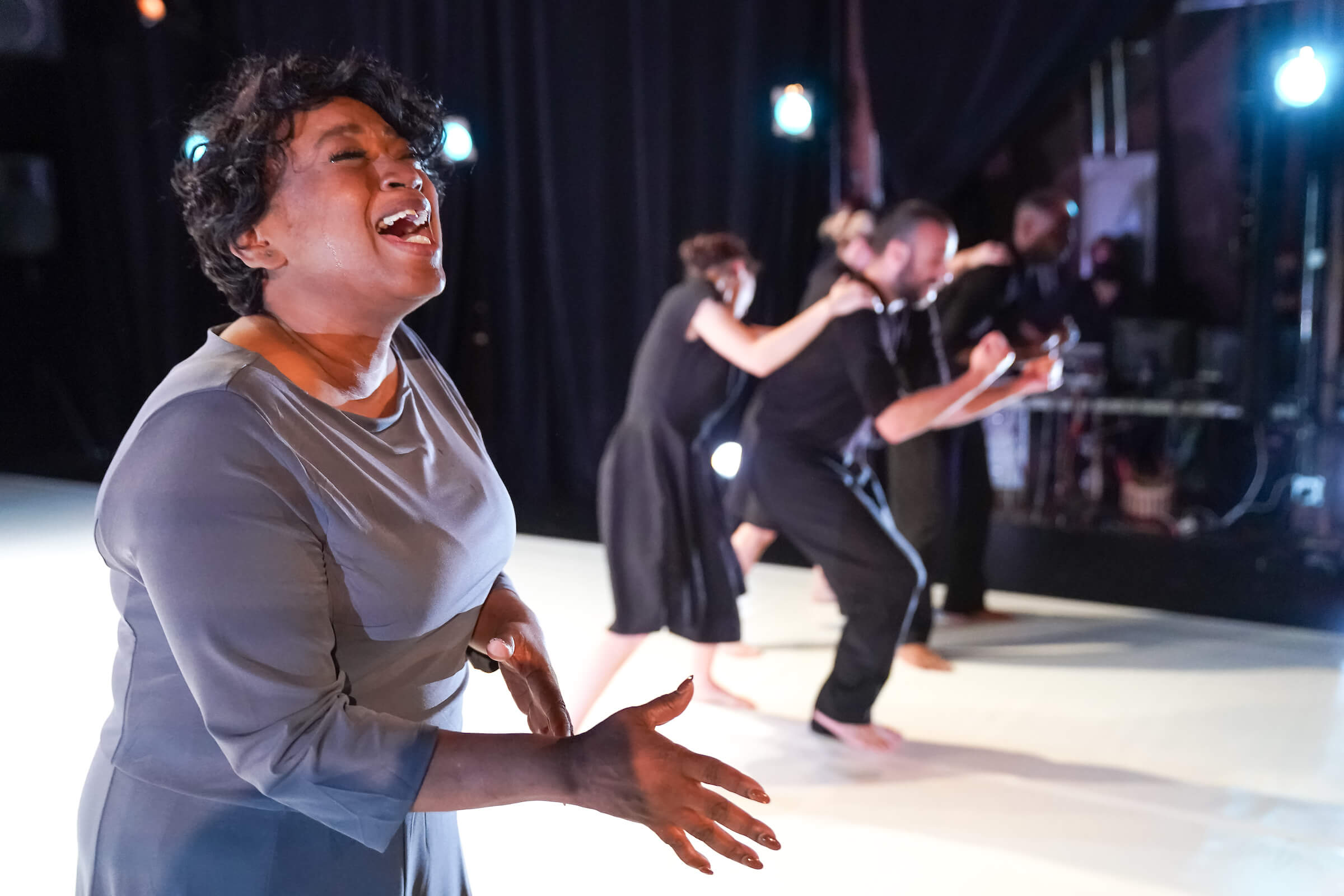
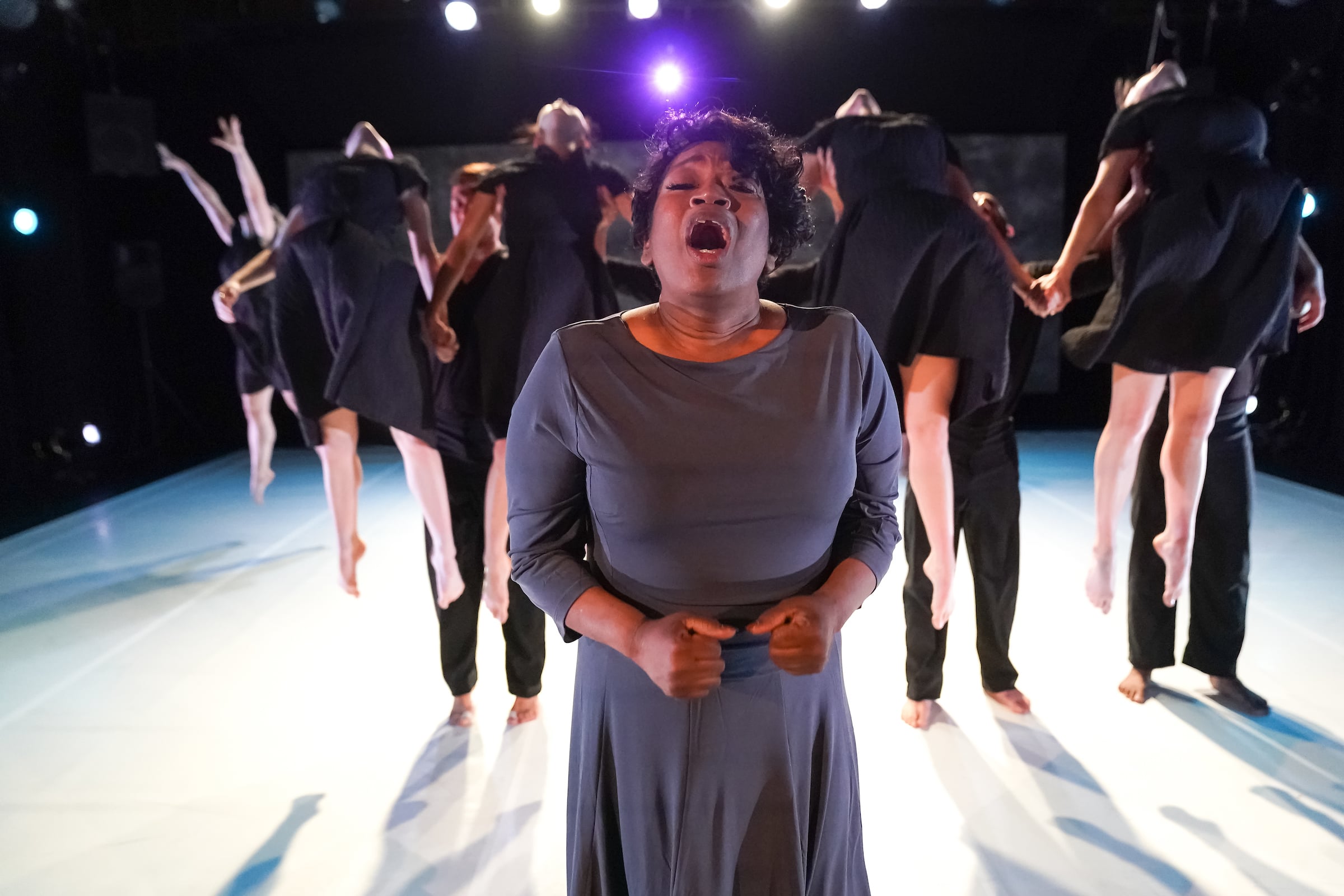
Grief explores the traumatic experience of Mamie Till-Mobley after
the murder of her son Emmett Till in 1955 by white supremacists in
Mississippi. In this work, Byrd delves deeply into the fury and
pain of Till-Mobley’ grief, postulating that it was her profound grief
and rage that led to her decision to present her son’s mutilated
body in an open casket funeral (“I want people to see what they
did to my boy.”); speculating that she desired to “amplify” her pain,
to share her grief with others in the hope to lessen her pain, if only
a little bit.
Whether it was an act of self-preservation or a decision made out of
pure outrage, her choice changed the course of history. The Spectrum
Dance Theater/Company immerses itself in the deep-seated
emotions of not just Mamie Till-Mobley, but mothers everywhere
who have lost a child.
“Strange Fruit” depicts one of the most horrible things imaginable. It felt like Byrd was offering a ray of hope by inviting the audience to process it together, in this somewhat comforting way. ”
"A joyous ode to dance, a celebration of both Spectrum's four decades in Seattle, and the future that lies ahead."
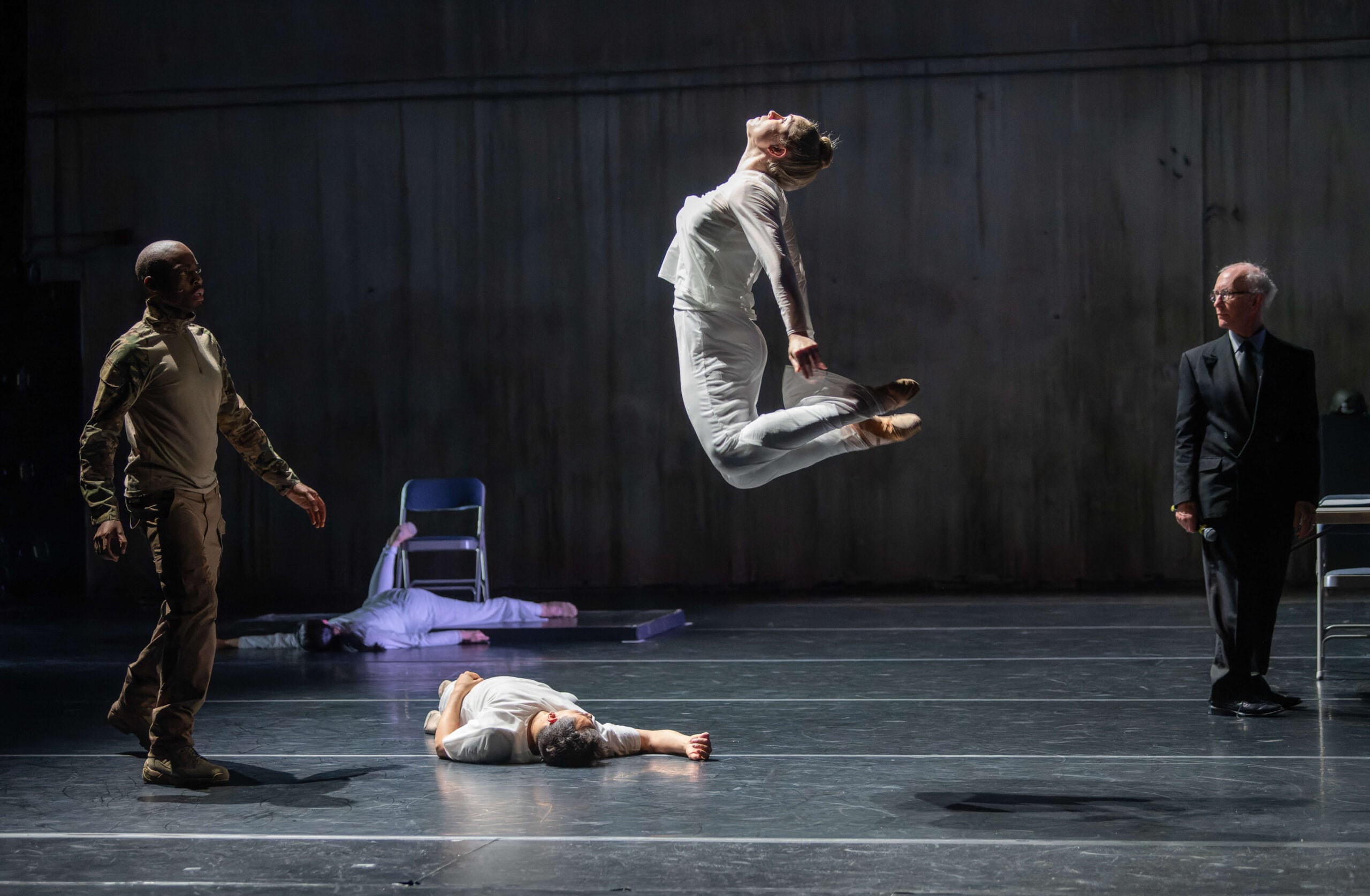
The title refers to what appears to be a systematic targeting for murder of Black people by white supremacists. Driven by “the great replacement theory” (a belief that whiteness is under threat) white supremacists have put in their crosshairs native born black and brown people, but also non-white immigrants. Using strategies that choreographer Byrd have developed over time for the creation of work that is centered on Race, Social Justice, and Climate (research as a foundational tool that informs the physical work, non-hieratical movement manipulations to generate vocabulary, and theatrical theories as a source of structural inspiration), this evening length work concludes the INSIDIOUS TRILOGY. The production utilizes not only dance/movement but also text, music, sound, voice, documentary/facts/information, media, and speculation, and to some degree continues his exploration of the disruption of the perceived boundaries between dance and theater.